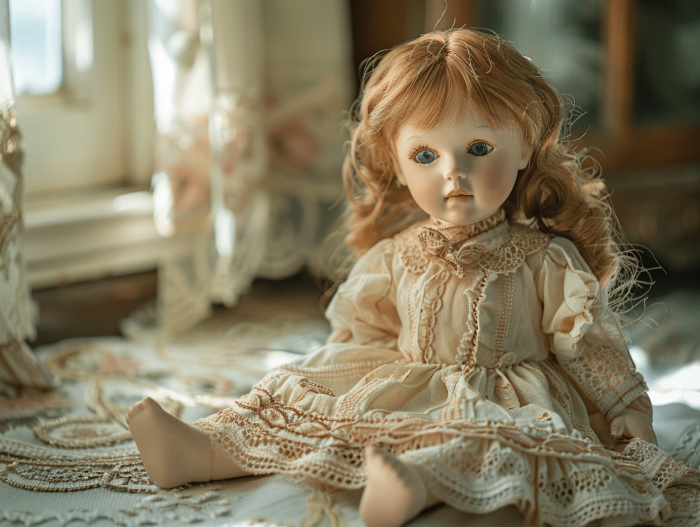
Travel back in time to explore the enchanted universe of toys that have marked the childhood of many generations. Among these nostalgic treasures, traditional dolls hold a special place. They reflect the customs, lifestyles, and artisanal know-how of bygone eras. These silent playmates, handcrafted and often passed down from generation to generation, tell stories rich in color and emotion. Their study offers a valuable window into the past, revealing sociocultural aspects and the evolution of mindsets through the ages.
The origins and evolution of traditional dolls
The history of toys is inseparable from that of dolls, which are vectors of culture and tradition. In Japan, Kokeshi dolls, originating from the Edo period, are a perfect illustration. Created on the island of Honshu, these dolls are the work of Kijiya artisans, masters in the art of woodworking. Their skilled hands give birth to objects that transcend the simple notion of a toy to become true works of art.
The manufacturing of Kokeshi dolls is a meticulous process that involves turning wood, carving, and hand painting, with each step reflecting ancestral craftsmanship. Traditional Kokeshi dolls are distinguished by a simple and pure shape, often made from noble woods like cherry, while creative Kokeshi allow artisans the freedom to experiment with different shapes and patterns, thus reflecting the diversity and richness of Japanese culture.
What is known as the Robert doll, although less known, is also part of this tradition of toys steeped in history. It carries within it the legacy of artisanal techniques, aesthetic values, and popular narratives that characterize the art of the doll across centuries and borders.
The museums and exhibition halls dedicated to preserving and showcasing these witnesses of the past contribute to the valorization of this invaluable heritage. The #heritagedays are special moments to discover or rediscover these objects that, far more than mere children’s entertainment, are a mirror of an era, a way of life, and an aesthetic universe that continues to inspire and fascinate.
The place of traditional dolls in culture and society
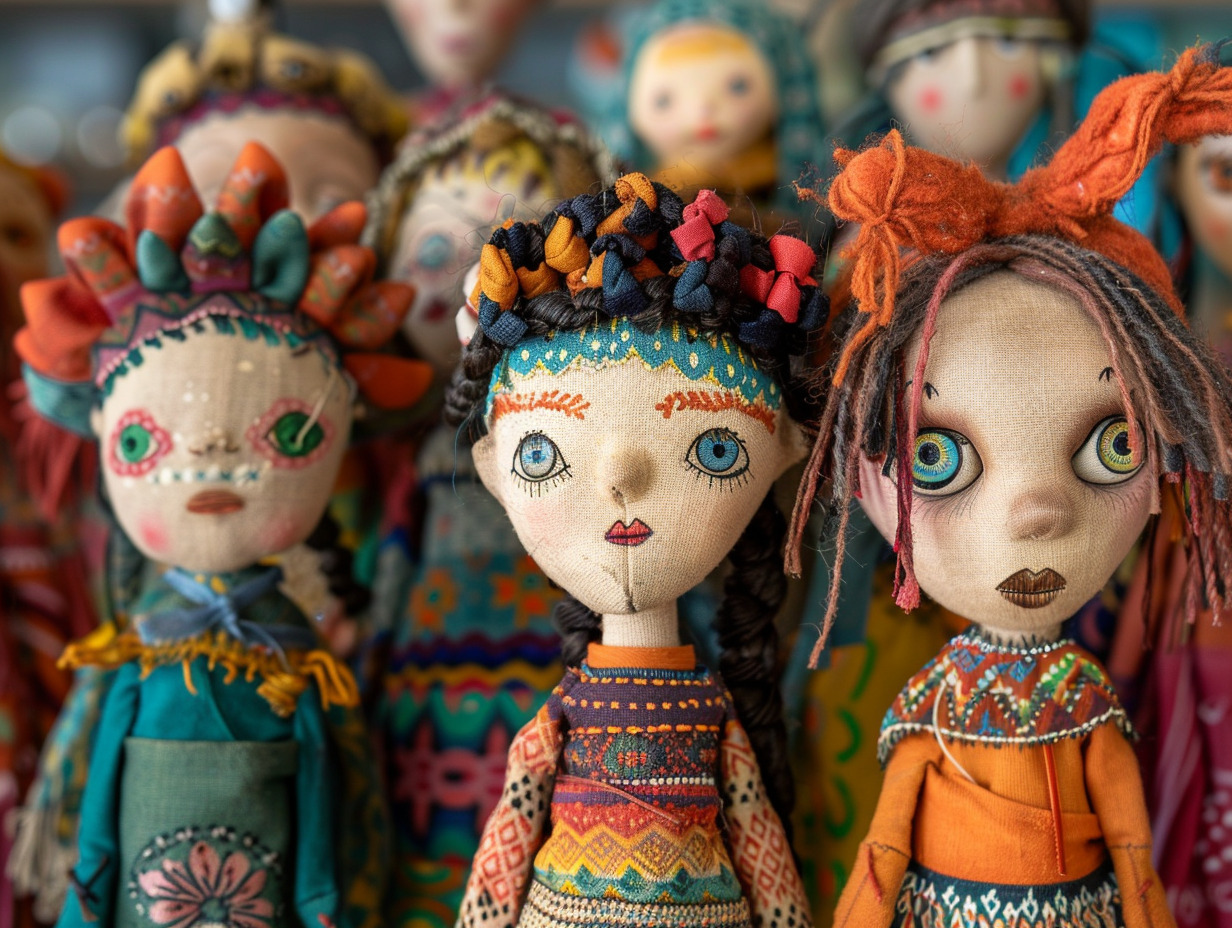
Within societies, dolls are not mere objects of entertainment; they embody the symbolism and intrinsic values of a culture. Kokeshi dolls, for example, are much more than craftsmanship: they are considered lucky charms and a symbol of harmony in Japanese culture. These delicate objects are imbued with the spirits, beliefs, and hopes of those who design them and those who cherish them.
The transmission of cultural heritage through objects such as dolls goes beyond the physical preservation of the object. It contributes to the perpetuation of ancestral practices, mythological narratives, and manual skills that form the fabric of cultural identity. Dolls, as tangible historical monuments, reflect the eras, customs, and social transformations.
The European Heritage Days are special occasions to highlight these artifacts. They raise public awareness of the importance of these material witnesses that engage in dialogue with our present. These cultural events stimulate recognition and appreciation of traditional dolls, not only as collectible items but also as vectors of knowledge and living history.