In 1666, a fire destroyed nearly 13,000 houses in London, just as the city was beginning to recover from a wave of plague that had decimated a fifth of its population.
The 17th century, a time marked by major disasters
The 17th century bears the mark of a Europe shaken by a series of crises. The fire that consumed London in 1666, annihilating thousands of homes already afflicted by the plague, is just one episode in a long saga of misfortunes. Paris, Rome, Berlin, and many other cities face calamities in turn, leaving the population stunned. The archives, whether parish registers or literary accounts, paint a picture of an era where fear lurks at every corner and uncertainty governs daily life. War, famine, disease: each disaster further erodes trust in the future, sketching the outline of a society in a state of constant alert.
The analyses of Anne Duprat and studies published by Cambridge University Press or University of Chicago Press reveal a decisive shift: disaster becomes a phenomenon that disrupts all layers of the social fabric, from France to England. Major metropolises, from Paris to London, from New York to Stuttgart, experience new forms of chaos. The chronicles oscillate between admiration for resilience and accusations of the injustice of fate, showing societies in search of answers in an unpredictable world.
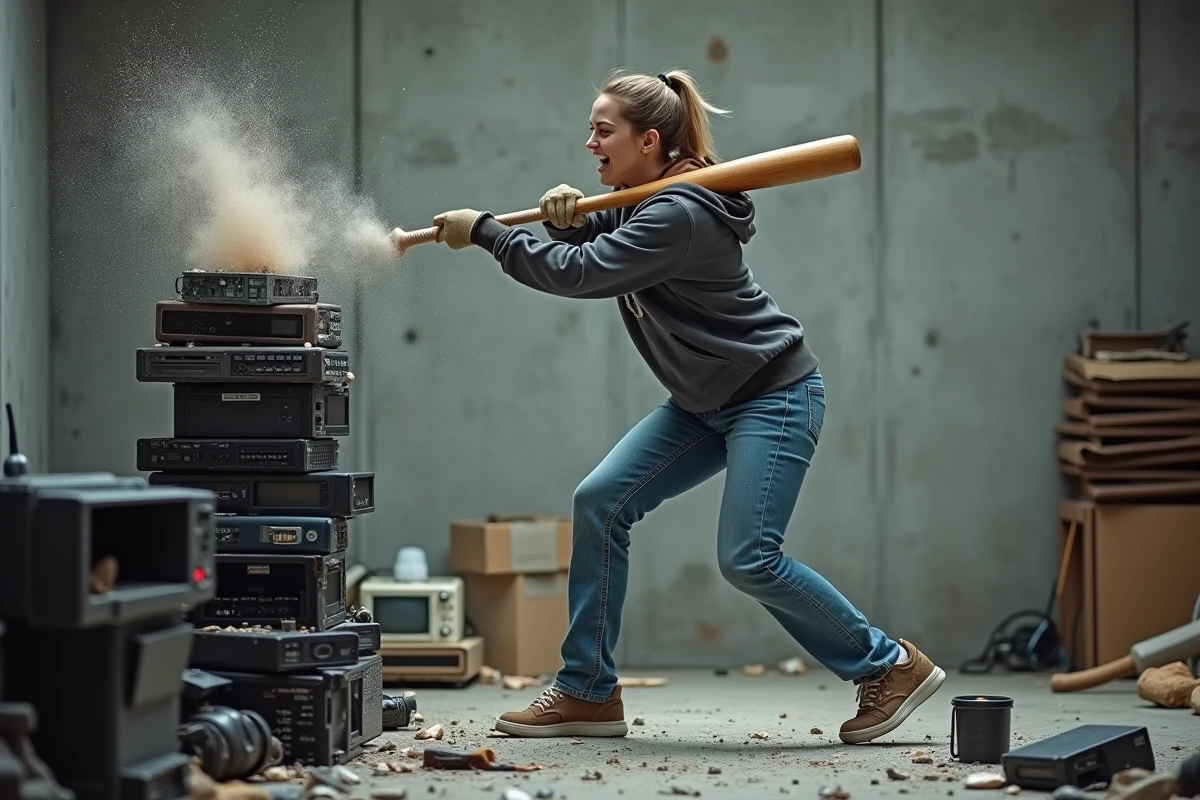
This dive into history sheds light on the current success of stress relief spaces. Originally, the rage room emerged in Japan before conquering North America. The Fury Room at the Capucins in Lyon fits into this dynamic: here, every detail matters, from the protective helmet to the objects selected for smashing, in an atmosphere where collective tension is channeled. Breaking things to release, mastering the inner explosion instead of succumbing to it, and transforming the violence of the world into vital energy: this is the thread that connects the ages, from the noise of past centuries to today’s search for outlets.
Why so many disasters? Understanding the causes and social consequences
Nothing random about the succession of disasters that punctuate the 16th to 18th centuries. Ancient texts outline the map of a society struggling against omnipresent violence: wars, epidemics, fires. Paris and London, often in the spotlight, expose their flaws in newspapers, private letters, or chronicles. But war is not just about battles; it shapes the social order, wears down bodies, and accelerates ruptures. Each catastrophe creates shockwaves, fuels fear of tomorrow, and forces the invention of new ways to resist.
In the same vein, the fury room at the Capucins in Lyon today addresses a society under pressure. Here is who and what it targets:
- Participants: groups of friends, families, colleagues, teenagers or adults, all seeking to release accumulated tension.
- Objects to smash: dishes, glasses, electronic devices, furniture… all means to give a concrete form to one’s emotions.
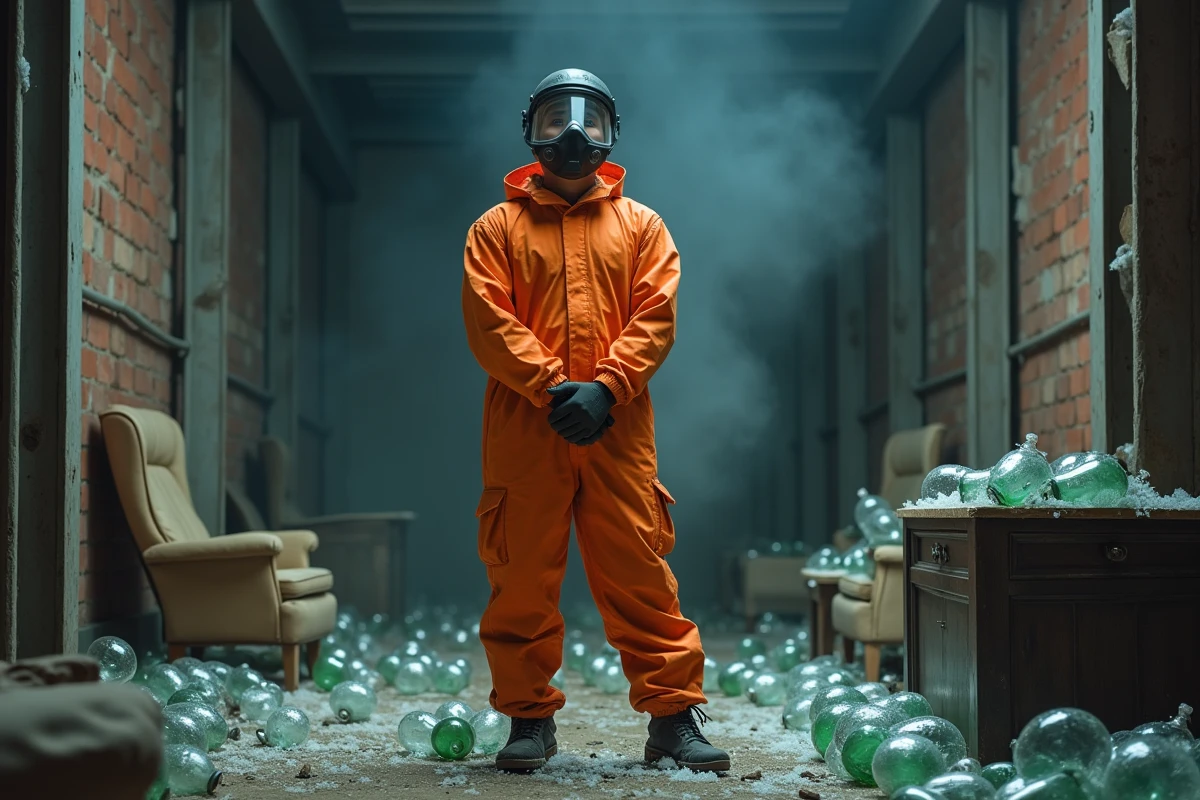
- Protective equipment: each participant gears up before entering, for an experience that is both liberating and structured.
Here, it is not just a simple distraction: the fury room touches the heart of coexistence. The collective noise is channeled, and social cohesion is woven with each shattered object. The effects are tangible, both on a psychological level, the feeling of releasing pressure, of expressing what cannot be said, and on a physical level, where the body regains its power in action. Between immersive music, preparation rituals, and a timeless atmosphere, everything is designed to allow everyone to let go, for a moment, without fear of judgment or consequences.
Plagues to the pen: how writers of the time recounted disasters
At the threshold of the 17th century, disaster struck without warning. Writers, sharp observers, recorded in their accounts the brutality and repetition of events. Whether living in Paris or London, the plague, fires, or wars permeated newspapers, pamphlets, and correspondences. Writing became a refuge, a tool for understanding in the face of the unknown. The chronicles of early modern England reveal this constant vulnerability of major cities, exposed to contagion or destruction.
But the authors did not merely list the facts. Through their pen, they questioned the collective fate. Literature thus carries a dual mission: to preserve the memory of disasters, but also to offer those who remain a space to soothe the pain. In the face of the accumulation of trials, the narrative becomes sharing, sometimes even symbolic repair. The emergence of disaster questions the human condition, the way to face the unexpected, the ability to bounce back despite everything.
In the wake of these writers, the fury room today offers a new form of emotional management. What the text provided yesterday in words, the smashing now offers in actions. Emotional liberation takes shape, stepping out of the literary framework to anchor itself in reality, in physical and collective experience. The need to make sense, to express oneself, to regain well-being persists, but changes its face over the ages. All that remains is to imagine what our descendants will tell about our own ways of weathering the storm.