Daily hairstyling rarely boils down to an aesthetic choice. The nature of the hair, the urban environment in which we live, the work-life balance between office and home: all these factors influence the hold of a hairstyle much more than the styling product sitting on the bathroom shelf. The hairstyling tips that work are those that take these real constraints into account, not just an ideal from a magazine.
Urban pollution and loss of shine: an underestimated factor in hairstyling
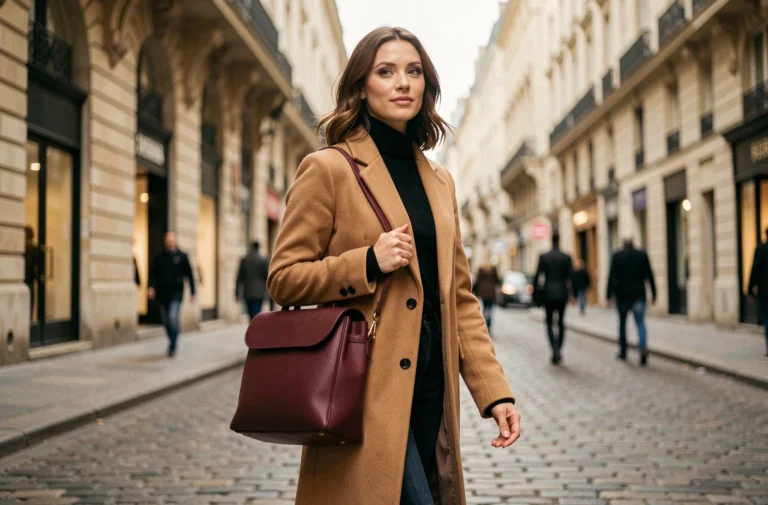
Most hair guides discuss washing, drying, and product selection. Very few mention the direct effect of outdoor air on the hold of a hairstyle throughout the day.
Recent research in hair dermatology and cosmetics has shown that exposure to fine particles and ozone degrades the hair cuticle, increases its porosity, and causes shine to drop within hours. For those living in dense urban areas, the conclusion is clear: a well-styled look in the morning loses its discipline and luster long before the end of the day.
Two actions can help limit this phenomenon. The first involves applying a leave-in treatment formulated with a protective film (volatile silicone or light oil) that reduces the adherence of pollutants to the hair fiber. The second, simpler action, is to space out washes to preserve the natural sebum of the scalp, which acts as a barrier.
A daily shampoo is not suitable for most hair types exposed to polluted air: it removes this protective layer and makes the hair more vulnerable right from the start.
On this subject, Belle et Unique’s hairstyling tips address these hair routines adapted to different environments and hair types.
Hairstyling and hybrid work: adapting your style to two contexts in the same day
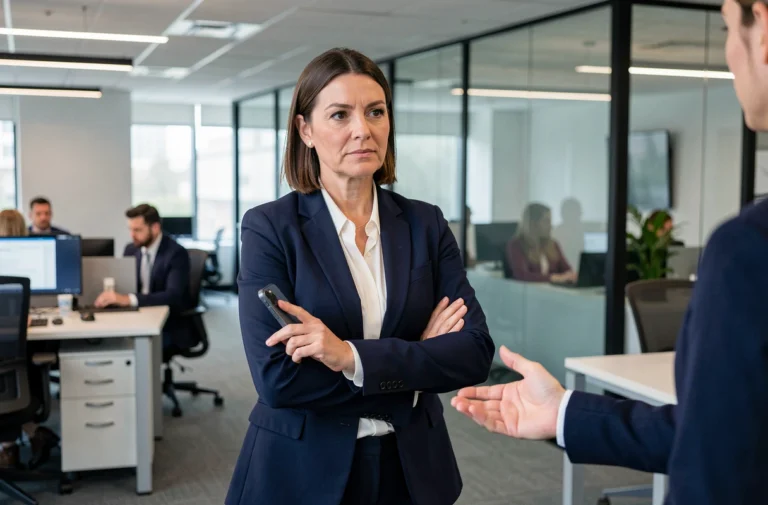
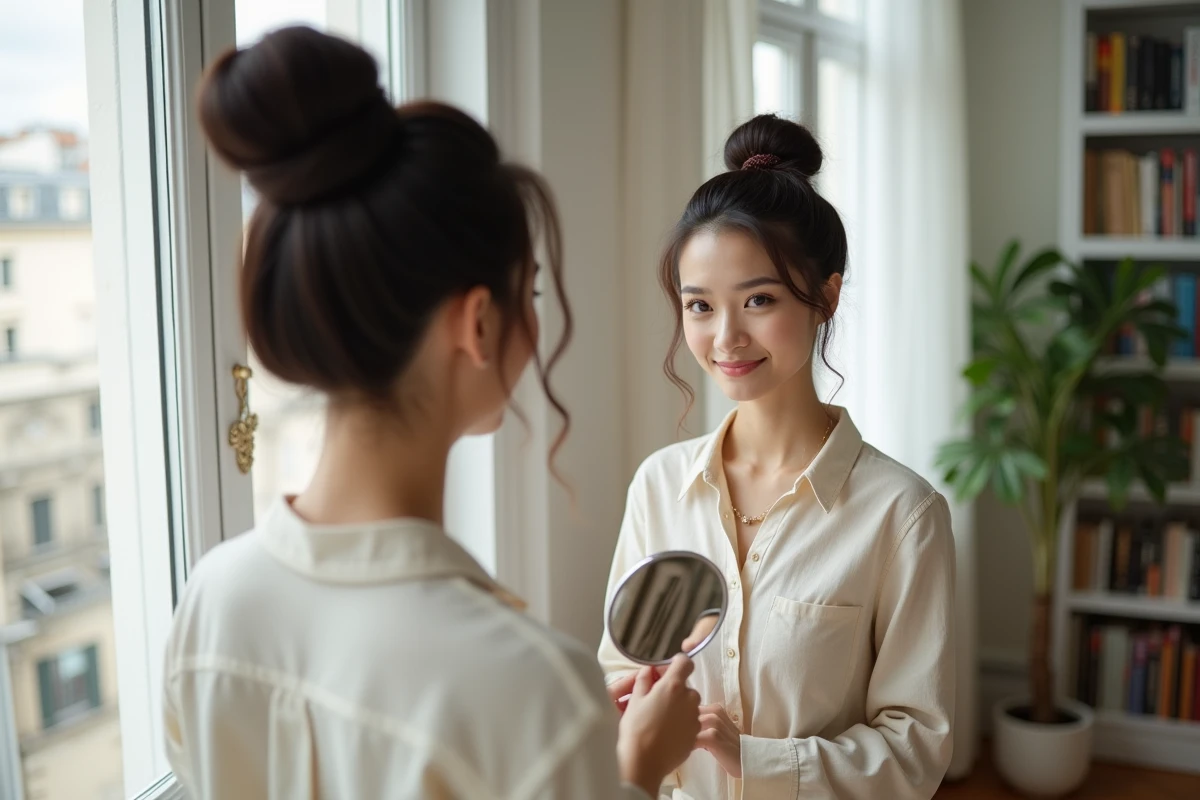
Since the massive shift to hybrid work, hairstylists have observed a growing demand for repositionable hairstyles. The need is concrete: starting a video conference in the morning with a polished look, then adjusting the hairstyle for an in-person meeting in the afternoon, without having to use the iron or hairdryer again.
Half-up styles and messy buns have become everyday classics for hybrid work. Their advantage lies in their modularity: a loosely tied low bun can transform into textured loose hair by simply removing the elastic, provided the base cut allows for movement.
This point deserves attention. A cut that is too uniform, without layering or texturizing, limits repositioning options. The trend for “low effort” hair, popularized on recent runways (natural lengths at Isabel Marant, minimalist styling at Proenza Schouler), relies on a cut that preserves the hair’s natural density and movement. Without this foundation, the result appears neglected rather than relaxed.
Three repositionable hairstyles to master
- The structured mid-high ponytail: quick to tie, it can be undone while leaving volume at the roots if a texturizing spray has been applied to the scalp beforehand
- The half-up style with a flat clip: maintains volume on top, removes without leaving a visible mark on the lengths, suitable for both fine and thick hair
- The twisted low bun: holds with a single pin if the hair is shoulder-length or longer, and gives a natural wavy texture once released at the end of the day
Temperature of heated tools: practices have changed
Applying a heat protector before using a straightener or curling iron is now a common reflex. However, the issue of the temperature itself remains poorly addressed in most consumer guides.
Professionals have lowered their practices in recent years. At the Mondial Coiffure Beauté 2023, several demonstrations highlighted styling techniques at reduced temperatures, accompanied by tools equipped with smart sensors that adjust heat in real-time according to the state of the hair.
The principle is simple: fine or colored hair cannot withstand the same thermal exposure as thick, natural hair. Using a flat iron at maximum temperature every time is a habit inherited from a time when devices did not offer precise settings.
Adapting heat to hair type
- Fine, bleached, or weakened hair: prefer a low temperature, with slow passes rather than repeated ones
- Thick, natural, non-chemically treated hair: a moderate temperature is sufficient in most cases, provided fine sections are worked on
- Curly or frizzy hair: drying with a diffuser at low heat better preserves curl definition than rapid drying at high temperature, which breaks the natural bounce
Hormonal cycle and hairstyling: a still marginal parameter in routines
Some dermatologists and trichologists are beginning to integrate the hormonal cycle into their hair recommendations. The observation is based on clinical evidence: sebum production, hair elasticity, and its responsiveness to products vary according to the phases of the cycle.
In practice, this means that the same shampoo or hairstyling action does not yield the same result from week to week. Field feedback varies on this point, and the available data do not allow for a universal protocol to be formulated. However, the idea is worth keeping in mind: if your hairstyle “doesn’t hold” on certain days for no apparent reason, the hormonal factor is a more plausible explanation than a change in weather.
Adapting your routine does not require a complete overhaul. It is more about observing, over a few weeks, the days when the hair gets greasy faster or loses volume, then adjusting the washing frequency or the type of styling product accordingly.
A useful hairstyling tip is one that adapts to your daily reality, not to a fixed ideal. Hair type, the air we breathe, work rhythm, and even biological cycles influence the hold of a hairstyle just as much as the styling technique itself. Taking these parameters into account saves time in the morning and achieves a result that truly lasts until the evening.