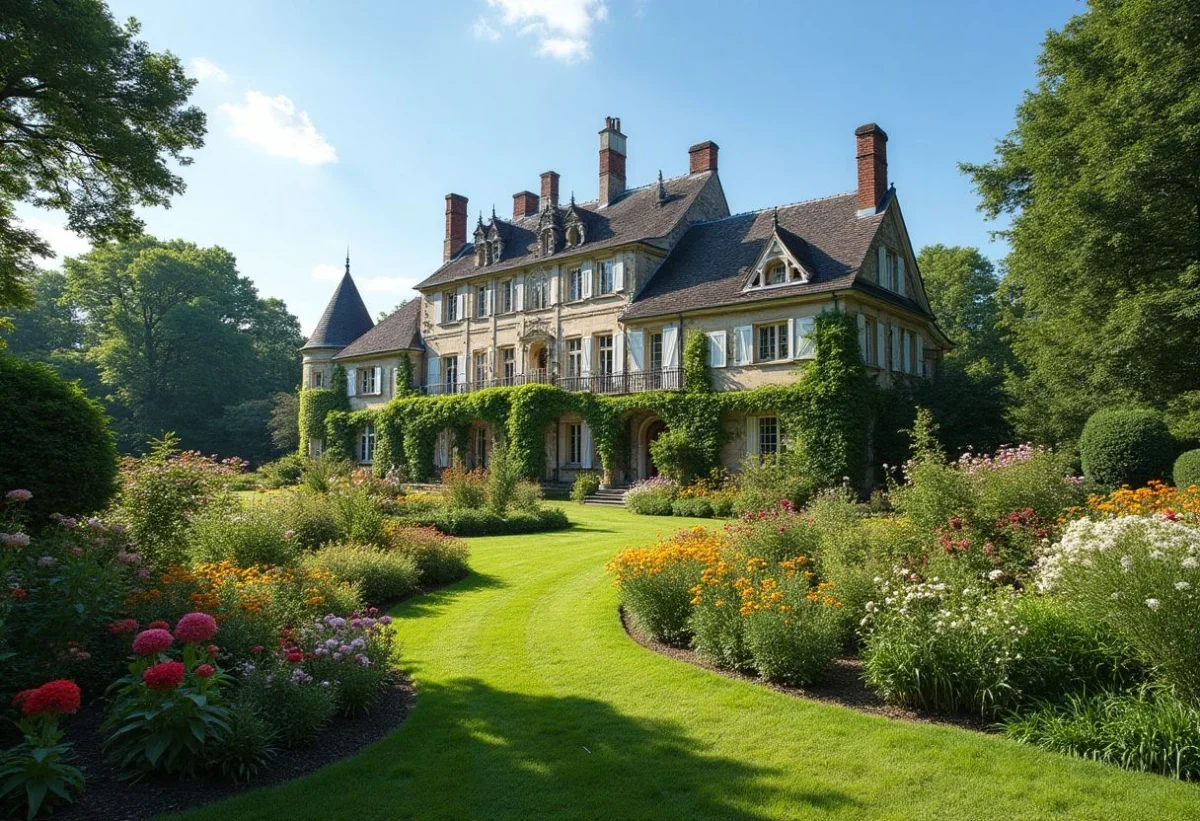
Heritage, whether cultural, natural, or intangible, represents the entirety of inherited assets from the past that deserve to be preserved for future generations. It embodies the identity of a nation and serves as an essential vector for transmitting values, traditions, and know-how. These treasures, visible or invisible, tell the story of a society and contribute to the construction of its future. At a time when globalization and technology are transforming our daily lives, the question of heritage preservation arises with acuity, both ethically and economically. Whether it concerns architectural monuments, works of art, natural landscapes, or cultural practices, each element of our heritage contributes to enriching humanity.
An infinite diversity of forms
Heritage comes in a multitude of forms, each with its specificities and intrinsic value. This diversity reflects the richness of the cultures and civilizations that have marked history.
- Cultural heritage: it includes historical monuments, works of art, museums, and archives. Each of these elements constitutes an essential piece of the historical puzzle.
- Natural heritage: national parks, nature reserves, and other sites of exceptional beauty are integral parts of world heritage. They remind us of the importance of biodiversity and ecological preservation.
- Intangible heritage: encompassing traditions, customs, languages, and ancestral know-how, it plays a crucial role in preserving cultural identity.
The challenges of preservation
Preserving heritage comes with numerous challenges, whether economic, environmental, or social. These obstacles require a concerted approach and innovative strategies.
The conservation of historical monuments, for example, demands considerable financial resources. The costs of restoration, maintenance, and enhancement are often high, necessitating the involvement of multiple stakeholders: states, local communities, international organizations, as well as patrons and citizens. Furthermore, the preservation of natural sites requires sustainable development policies.
- General efforts: collective commitment is essential to ensure the protection of our common heritage.
- Environmental issues: the threat of climate change and increasing urbanization endanger many natural sites.
- Community engagement: the participation of local communities is crucial for the safeguarding of cultural practices and intangible traditions.
The economic role of heritage
Heritage is not limited to its cultural and historical dimensions; it also plays a major economic role. Heritage sites attract millions of visitors each year, generating substantial revenue for local economies.
Cultural tourism, for example, is a powerful economic driver. It stimulates employment in the hospitality, restaurant, and retail sectors. Cultural events, such as festivals and exhibitions, energize territories by creating economic opportunities and enhancing the attractiveness of regions.
For more information on heritage management and its economic impact, you can visit this site for more information. This reading provides additional insights into how heritage influences regional development.
A shared responsibility
The preservation of heritage is a collective duty, involving close collaboration among various stakeholders: governments, international organizations, local communities, and individuals. Everyone must contribute to the enhancement and transmission of this legacy.
Public policies play a determining role in the protection of heritage. They establish legislative frameworks, develop conservation strategies, and allocate financial resources for the safeguarding of cultural and natural assets.
Citizens, for their part, have an equally important role to play. Their commitment and sensitivity to heritage issues can positively influence preservation policies. Awareness campaigns, community initiatives, and volunteering are all ways individuals can engage in the protection of their cultural heritage.
Heritage, in all its forms, is a precious witness to our past, an educational tool for our present, and an invaluable legacy for future generations. Preserving this cultural and natural heritage is essential to ensure the diversity and richness of our world. By combining our efforts, we can ensure the sustainability of this common heritage and contribute to the flourishing of future civilizations.