An incorrect diagnosis of alopecia can lead to inappropriate treatments, sometimes costly, and even exacerbating the condition of the scalp. Dermatologists specializing in hair disorders represent only a fraction of practitioners, and their expertise is not guaranteed by standardized training.
Evaluation and care protocols vary among practitioners, while expected outcomes heavily depend on the personalization of follow-up. Some rare causes of hair loss often remain unknown, despite the range of medical and surgical solutions now available.
Why does hair loss occur? Understanding the causes and different types of alopecia
When hair loss sets in, there is little room for chance: biology, heredity, as well as the environment and sometimes mental factors intertwine. Baldness spares neither women nor men. The most common form, androgenetic alopecia, is explained by a family predisposition associated with an hypersensitivity of hair follicles to male hormones. The result: hair thins, density regresses, and this cycle tends to close over the years, sometimes from a young age.
However, there are other faces of hair loss. Diffuse hair loss frequently appears following a stressful period, an illness, or hormonal upheaval. Nutritional deficiencies, lack of iron, zinc, vitamins, or certain medical treatments, not to mention thyroid disorders, can also disrupt hair balance. Chronic stress, often overlooked, directly influences hair growth cycles and accelerates its departure.
Hair dermatology also identifies scarring alopecias: here, inflammation irreversibly destroys the follicles. These cases, although rare, require prompt management to limit damage. In women, postpartum hair loss or that related to menopause raises other questions, often underestimated. Nothing replaces a thorough clinical examination, sometimes supplemented by biological analyses, to precisely identify the origin of the loss.
Finding the best scalp dermatologist then makes perfect sense in light of this diversity of situations. Only an individualized diagnosis, attentive to family history, lifestyle, and the different faces of alopecia, allows for hope of a hair transformation that meets expectations.
What treatments are available today for the scalp and hair loss?
In the face of hair loss, the therapeutic palette has significantly expanded in recent years. The scalp dermatologist begins by elucidating the cause, as each treatment must target a specific problem. For androgenetic alopecia, reference molecules, prescribed in lotion or tablet form, slow down progression while requiring regular monitoring of side effects. When baldness sets in, hair transplantation becomes a preferred option: it allows for the re-implantation of several thousand follicles, hair by hair, with a concern for detail that ensures a natural result for both men and women.
Aesthetic medicine has also opened new horizons. Platelet-rich plasma (PRP) injections stimulate microcirculation and awaken tired follicles. Courses of nutritional supplements provide significant support to hair weakened by nutrient deficiencies.
Here are the main options offered by specialized dermatologists:
- Medical treatments: lotions, tablets, close dermatological follow-up
- Hair transplantation: micrografts, FUE and FUT techniques
- Aesthetic medicine treatments: PRP, mesotherapy
- Tailored nutritional supplements
A customized approach, which sometimes combines several solutions, helps slow down hair loss and stimulate regrowth. Recent advances provide real reasons for hope, provided one relies on the expertise of a specialist and follows the protocol rigorously.

Meeting the right dermatologist: tips for personalized and effective support
Changing hair trajectory leaves no room for improvisation. It is essential to turn to a scalp dermatologist who combines field experience with a sense of listening. The first appointment should allow for a real exchange: understanding the nature of the hair loss, reviewing the history, and expressing expectations candidly. Ask the practitioner about the available techniques, the protocols they favor, the frequency of follow-ups, and the clarity of results already obtained for both men and women.
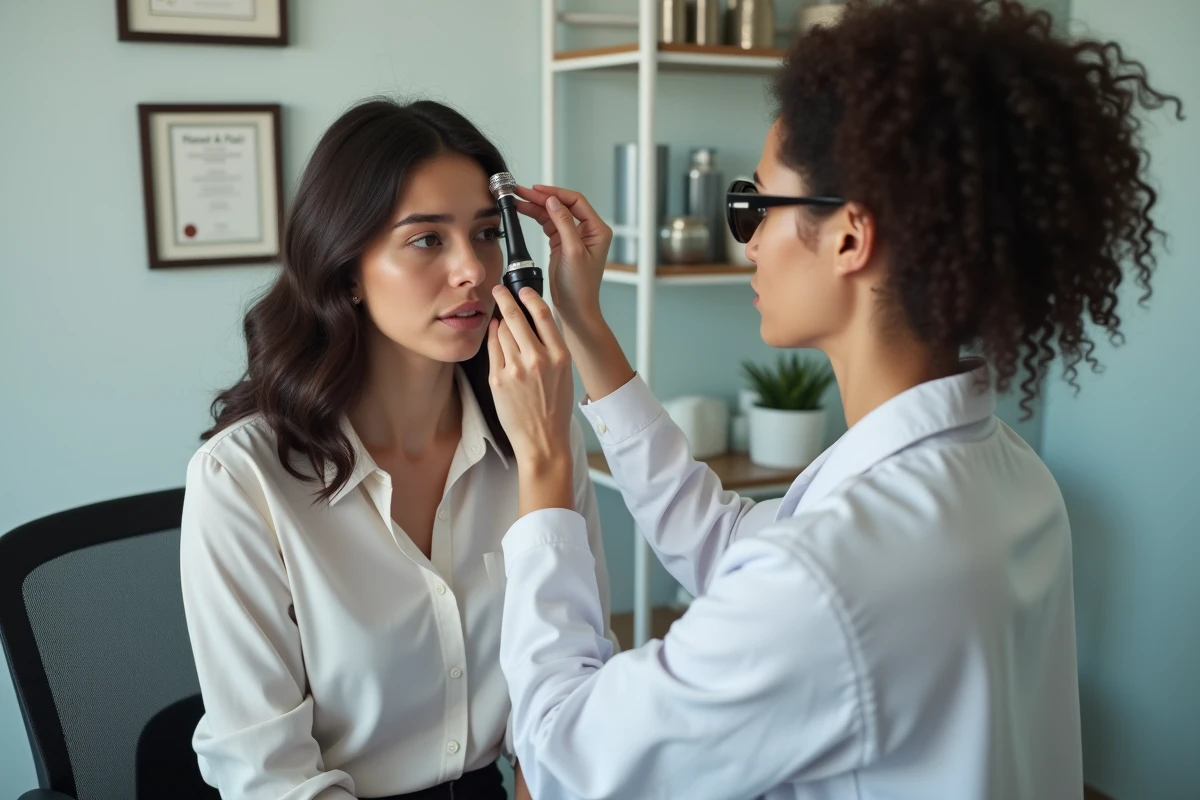
A reputable expert begins with a thorough examination of the scalp: trichoscopy, density analysis, evaluation of the vitality of the hair follicles. Ask for concrete examples, real cases illustrating the diversity of alopecias and recommended solutions, from managing diffuse hair loss to placing implants on the top of the head.
Here are the points to consider when choosing a specialist:
- Check the dermatologist’s specialization in hair transformation
- Demand a clear explanation of the possible results and the inherent limitations of different treatments
- Evaluate the quality of support: listening, availability, personalized follow-up
The effectiveness of the journey greatly depends on the trust you build with the practitioner. This bond, far from pre-packaged speeches, makes all the difference in adapting to each situation, whether it is a temporary loss or a more advanced baldness. When science truly meets humanity, it is often there that hair regains its rightful place.